Bhakti Siddhnata Saraswati Thakur
Bhakti Siddhnata Saraswati Thakur Prabhupad
Indian saint, scholar, and Bhakti leader.
Indian saint, scholar, and Bhakti leader.
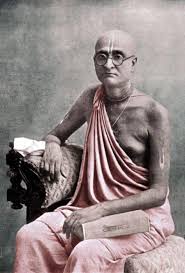
About Srila Bhakti Siddhanta Saraswati Thakur
About Prabhupad Bhakti Siddhanta Saraswati
Bhakti Siddhanta Saraswati Thakur, also known as Srila Bhakti Siddhanta Saraswati Prabhupada Maharaj, was a prominent Indian saint, philosopher, and scholar. He was born on February 6, 1874, in the town of Jagannath Puri, India, and was the son of Srila Bhaktivinoda Thakur, a renowned spiritual leader and philosopher.
Bhakti Siddhanta Saraswati Thakur, also known as Srila Bhakti Siddhanta Saraswati Prabhupada Maharaj, was a prominent Indian saint, philosopher, and scholar. He was born on February 6, 1874, in the town of Jagannath Puri, India, and was the son of Srila Bhaktivinoda Thakur, a renowned spiritual leader and philosopher.
Bhaktisiddhanta Saraswati Thakur was a leading figure in the revival of the Bhakti movement in India during the early 20th century. He was a prolific writer and scholar, and he wrote extensively on the philosophy and theology of the Bhakti movement. He also trained and mentored a generation of spiritual leaders who later played a significant role in spreading the message of Bhakti across India and around the world.
Bhaktisiddhanta Saraswati Thakur was a leading figure in the revival of the Bhakti movement in India during the early 20th century. He was a prolific writer and scholar, and he wrote extensively on the philosophy and theology of the Bhakti movement. He also trained and mentored a generation of spiritual leaders who later played a significant role in spreading the message of Bhakti across India and around the world.
Bhaktisiddhanta Saraswati Thakur passed away on January 1, 1937, at the age of 62. His legacy lives on through the numerous institutions and organizations that he founded, including the Bhaktivedanta Institute, which promotes the integration of science and spirituality, and the International Society for Krishna Consciousness (ISKCON), which has spread the message of Bhakti around the world.
Bhaktisiddhanta Saraswati Thakur passed away on January 1, 1937, at the age of 62. His legacy lives on through the numerous institutions and organizations that he founded, including the Bhaktivedanta Institute, which promotes the integration of science and spirituality, and the Gaudiya Maths, which has spread the message of Bhakti around the world.

His Moral Philosophy in School Education
Prabhupad's Philosophy in School Education
He believed in serving humanity as a means of serving God. He believed that education should be used to develop a sense of social responsibility in students, and that they should be encouraged to contribute to the welfare of society.
Shrila Prabhupad believed in serving humanity as a means of serving God. He believed that education should be used to develop a sense of social responsibility in students, and that they should be encouraged to contribute to the welfare of society.
He believed that education should promote a spirit of unity and harmony, and that students should be taught to value and respect the differences among people and emphasizing self-discipline was essential for spiritual growth and success in life. He encouraged students to cultivate self-control and restraint, and to develop good habits and practices that would help them to achieve their goals.
He believed that education should promote a spirit of unity and harmony, and that students should be taught to value and respect the differences among people and emphasizing self-discipline was essential for spiritual growth and success in life. He encouraged students to cultivate self-control and restraint, and to develop good habits and practices that would help them to achieve their goals.
He encouraged students to cultivate a sense of empathy and compassion for others, and to practice kindness in their daily lives. By incorporating these moral values into school education, students can not only develop academically, but also grow into compassionate, responsible, and ethical individuals who contribute positively to society.
He encouraged students to cultivate a sense of empathy and compassion for others, and to practice kindness in their daily lives. By incorporating these moral values into school education, students can not only develop academically, but also grow into compassionate, responsible, and ethical individuals who contribute positively to society.
DOWNLOAD OUR OFFICAL APP
DOWNLOAD OUR OFFICAL APP